
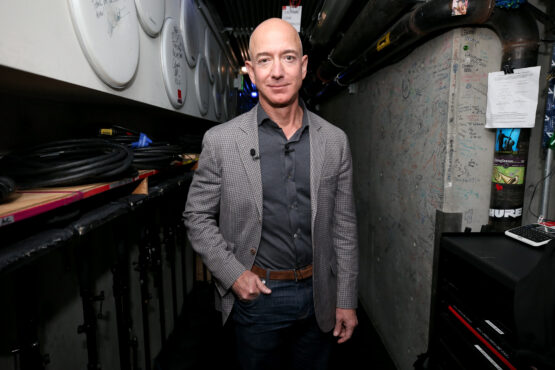
Liverpool Football Club has entered a significant new chapter in its ownership history, with an investment consortium that includes billionaire Amazon founder Jeff Bezos acquiring nearly 40% of the Premier League powerhouse.
The group, known as 1892 Holdings, has purchased approximately 38% of Liverpool from Fenway Sports Group (FSG), according to reports. The figure is considerably larger than initial estimates, which suggested the investors were acquiring roughly 30% to one-third of the club.
Led by British-Indian businessman and former Queens Park Rangers co-owner Amit Bhatia, the consortium brings together some of the world’s most prominent business figures. Alongside Bezos, the investor group includes Facebook co-founder Eduardo Saverin, his wife Elaine Saverin, and backing connected to the Mittal family.
The investment represents Bezos’ first major move into ownership of a professional sports franchise, adding another high-profile asset to a business portfolio that has stretched across technology, media, aerospace and other industries.
The transaction reportedly values Liverpool at approximately £5.5 billion, with the 38% stake worth more than £2 billion. That represents a remarkable increase in value since FSG acquired Liverpool in 2010 for about £300 million.
Despite the size of the investment, FSG remains Liverpool’s majority shareholder and retains operational control. However, the structure of the agreement could eventually produce an even more dramatic change at Anfield.
1892 Holdings has a pathway to potentially become Liverpool’s controlling shareholder within the next 12 months. Reports indicate the consortium has an option or preferential route to pursue majority ownership, although there is currently no formal commitment that FSG will relinquish control.
For Liverpool supporters, the arrival of investors with extraordinary financial resources immediately raises questions about the club’s long-term ambitions. Premier League financial regulations mean billionaire ownership does not automatically translate into unlimited transfer spending, but increased financial strength could provide opportunities in areas such as infrastructure, commercial expansion and Liverpool’s broader global strategy.
The investment also highlights the soaring value of elite English football clubs. Liverpool combines one of the sport’s most recognizable brands with a massive international following, historic success and enormous commercial potential.
For now, FSG remains in charge. But with Bezos and his fellow investors holding nearly two-fifths of Liverpool, the balance of power at Anfield has shifted significantly — and the next 12 months could determine whether this blockbuster minority investment ultimately becomes something much bigger.